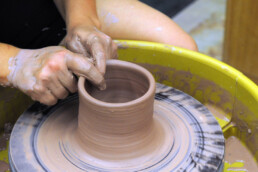
Transmutation
This past Monday night I did something I’ve wanted to do since I was probably six years old – I went to my first pottery class. Why it took me until almost age thirty-nine to get there I don’t know, but I suppose it was a mix of ambivalence and fear. And a poor sense of priorities as I battled against my obligations. You know how that goes.
When I was in elementary school my dad bought me a mini pottery wheel that I’d asked for at some point in the fall, either for my birthday (in November) or for Christmas. It was just a little toy that probably couldn’t make anything worth anything, but I was so excited to finally have it as my first introduction to ceramics. The problem was, it required clay or some other part that I didn’t have (and that my mother couldn’t afford), so I waited for a few days until I was to visit my dad for the weekend. He could fix my problem and I could be on my way.
I remember only a little bit about this particular day – one that is so poignant in my life story. I remember my dad coming to get me as he always did. I remember gathering a few things and bounding out the front door, my new pottery wheel in hand. I wanted to be extra careful with it by holding it tight, my young brain reasoned. I didn’t want to put it back in the box.
And then I remember that before I even made it to the burglar bars enclosing my mother’s front porch, I dropped that pottery wheel onto the concrete in a dramatic smash. It cracked. It wouldn’t turn on anymore. It was irreparable and I knew it immediately.
And then I cried heavy, heavy tears.
I never got another pottery wheel, so I just filed my interest away somewhere and let it simmer as I moved through adolescence and young adulthood. I would go on to try different things like decoupage and photography and crochet before being lost in the drama that is being a teenager. And as an adult I’d learn to cook and bake, and to create beautiful (and mostly edible) things out of nothing but a few bare ingredients. But I never forgot about pottery.
”Some day,” I would say to myself.
When I had a complete and total meltdown a few weeks back (about my life and my career and my struggle with time), my husband eventually asked me what all I still wanted to do that I didn’t seem to have time for. And one of the first things I’d said was that I still wanted to take a pottery class. I’d also said I wanted time to watch my handful of shows on Netflix (The Kominsky Method, Grace and Frankie), and to watch my old black and white movies on TCM, and to have a garden, and to learn how to sew again.
“Let’s start with the non-TV stuff,” he said.
Within a day I’d looked up pottery classes near me, but the problem was that most of them took place during the day – and I’m the sort of person who has to, you know, work a job during the day. I finally found a school that had evening classes but was disappointed to see that they were all waitlisted. Okay, I thought to myself, as soon as the next paycheck comes in I’ll pay my $50 to get put on the waitlist.
Two weeks or so passed. I could have paid the $50 before the paycheck, by the way.
In the midst of yet another breakdown, which I’ve been having on the regular lately, I decided that this was it. No more stalling. No more fear. It was a Sunday evening and I went to the website to sign up. I looked at the calendar and clicked on the Monday night option (ages sixteen to adult) so that I could get on the list. “This class has one spot open,” it read. I blinked. Really? It wasn’t waitlisted any longer? ALL of the pottery classes were waitlisted. Maybe it had opened up to me because it was time?
But when I submitted my information to try to pay for the class, the nice computer rejected me with a message that said I was going to be put on a waitlist. Disappointed, I clicked “OK” and prepared to wait until my time came. Then I put down my smartphone and stumbled backward into the blackness that I’d been swimming around in. It had been so, so heavy lately.
The next day, with the fog of those emotions still heavy on my heart, someone from the school emailed me to apologize for the incorrect system message – there was, in fact, an opening. And would I like to go ahead and pay? I would have 48 hours to decide or they would release the spot to someone else.
I hesitated for a moment. Isn’t that the silliest thing we do as humans? We long for something and then we’re at the cusp of getting it, and we shrink backward in fear or self-doubt. It took me about an hour to overcome that discomfort but I pushed through, paid the first month’s tuition plus a $50 deposit in case I bailed mid-month, and timidly called the number to ask if I was to show up that night or to wait a week.
“Oh yes you can come tonight if you like,” a nice man told me in a slight accent. “Or you can wait a week. It’s up to you, but we have you signed up.”
“Okay. Well I guess I’ll come tonight. What do I wear? What do I do? I don’t know what to bring with me.”
“Let me forward you an email the teacher sends out for her new classes. It’ll give you more info about what to bring and when to show up. I definitely wouldn’t wear any clothes you’re attached to! And bring an old towel and an apron if you have one. We have some here but they’re first come, first serve.”
I read the email he forwarded me. I got my old clothes together, and my old towel. I paced a little bit until it was time to go and then I hugged my husband, who told me to at least act excited. But coming into situations where I’m the only new person is extremely uncomfortable for me. I feel like there’s a spotlight on my head and the old shyness of my youth comes back as if it had never left. My immediate reaction is to panic and want to flee.
I drove through the cold and rain to that rickety old 150-year-old house that had been converted into an art school. I parked my car, fumbled my way inside the door, figured out where I was supposed to be, and did okay in the end. The teacher – probably in her early twenties – got me settled in a corner and I plodded my way through my first experience with clay.
And it was glorious.
Now, I don’t think things are glorious very often. I don’t use that word ever. But the experience I’d built up in my head since the day I’d smashed my mini pottery wheel was pretty much exactly what I thought it would be. The feeling of the clay between my hands was exactly as I’d imagined. It was as difficult as I thought it would be, and as easy as I thought it would be, too.
And so what I see now is that I came into that studio depressed, lost, cold, sad. And as I sat there and let the wet clay run through my hands, my fingers depressing it in the middle and then later pulling up the walls, all of those feelings just melted away. I even lost track of time.
Two of my balls of clay ended in a collapsed mess, but one of them became something more after about 45 minutes of slow work. I, Elizabeth, had made a legit saucer in my first class. It was symmetrical and beautiful and ever so gratifying. Mostly because I’d turned a ball of clay into something else.
I think this is symbolic of a theme I’ve had lately in my life. It’s a new word that I’ve learned and it’s called “transmute.” To transmute means to turn something into something else, like turning negative emotions into positive change. And I think this clay was part of my current experience of transmuting old pain and trauma into something beautiful, which is expressed in one way via my upcoming book. Turning clay into a saucer was just another way. I not only changed the clay, but I changed how I felt inside.
This experience (and others) have taught me that you should follow those ideas that you have been “thinking about doing” for a long time. If something keeps popping up in your psyche, it’s probably something you ought to do to achieve some sort of transformation. Maybe it’s just to help you get through your life in that moment, or maybe it’s to move you to your next stop in your journey. Sometimes, I think, it’s to help you discover a hidden talent that you didn’t know you had and that is part of your purpose here on earth.
After ping ponging my way through a career, I still believe the only way to figure out who you are and what you’re meant to do is to try things – especially the things that nag at you. Teaching was another one of those things for me. So was photography. So was copywriting. So were novels.
I’m glad I tried them all.
And I’m sort of hopeful that I’m a closet potter and that this experience will end in my own home studio one day in my spare bedroom. I imagine the second half of my life as me writing my books and speaking/teaching a bit, but also creating art and tending to a garden and taking pictures of nature. It’s good to dream, because you can only achieve things that you have actively identified and strive toward.
But even if that doesn’t happen, that’s okay. For now I’m going to use those Monday nights to let my feelings dissolve into the spinning clay. The transmuting of a ball of stuff – in my hands and in my heart – into something different. Something better.
———
To leave a comment or share this post, scroll down.
My first book, Halfway There: Lessons at Midlife, was released on August 18, 2020 by Warren Publishing and was re-released on February 16, 2021 by White Ocean Press. To read an excerpt, check out reviews, see the author Q&A, or find links to buy, click the Learn More button.


Noise
It’s 2019 and we seem to be racing through time. Are you aware of all the noise? And are you also aware of how it might be derailing your life?
I grew up in a less digitally connected world and I’m so grateful for it, because it gives me something to strive toward as I try to remember what “quiet” is. When I was a kid we had a television with 13 stations on it and only one of our two household TVs was color. I remember everything went off the air at some point each night, with a patriotic theme song and a soaring fighter jet, and then a screen that dissolved into snow or vertical lines.
Forced quiet time, every single night.
I remember phones attached to walls that were used only when you wanted to have a conversation. I remember letters sent in the mail that you would sometimes have to wait a week to receive. I remember the newspaper that arrived every morning with updates and coupons and cartoons, and that my grandmother would read quietly with her coffee.
In the late 90s and early 2000s, I remember not having a smartphone or a laptop (or even reliable Internet service), so I turned on the computer only for specific purposes like typing a research paper or checking email once a day. I didn’t use it for time wasting like I do now.
I know most of us look back nostalgically on history and talk about “the good ole’ days” and how much slower things were “back then.” But I feel like it’s really true right now because when I look at the world over the last decade or so, everything is just so fast.
We have fast Internet. Fast cars. Fast shipping. Fast news cycles. We have so much information coming at us every second of every day that, if we don’t consciously try to tune it out, we can get swept up in the swirl. And once our time gets sucked away by these digital worlds, we stop focusing on what we’re supposed to do and who we’re supposed to be.
I struggle with this noise a lot. For the last few years I’ve made extra effort to find my way back to a quieter life so that I can focus on the real business I need to do. My biggest obstacles, historically, have been anxiety (and my need to fidget when it shows up) and the “connectivity” that seems to come at us from all directions, all the time.
Case in point: If I want to communicate with my friends, I have to maintain a connection to my smartphone because people don’t live down the street or even in the state anymore. Nobody has time to visit or call, so we shoot off quick messages in the small gaps of our days and we expect others to respond within a certain amount of time.
Second case in point: If I want to understand what’s going on in the world, these days I have to log into a news site or turn on the TV – I can’t just pick up the paper off my lawn (although maybe I ought to see how expensive it would be to go back to that). Picking up that smartphone or turning on that computer then exposes me to a barrage of news stories and commentary and an endless supply of “breaking news” about this and that and everything in between.
There’s no turning the page, there’s no last page, and there’s no placing of the newspaper into the wastebasket so that I can go on with my day.
I had a bit of an implosion last summer after I gave away too much time and emotional energy to the negative comments on one of my LinkedIn posts. After about 24 hours of watching comments roll in, I’d become angry and frustrated and was engaging in self-defense. Eventually, about 36 hours in, I just deleted everything despite its popularity because the toll on me was too high.
I then closed my LinkedIn app, slammed my phone down on my nightstand, and went to take the shower that I’d meant to take an hour earlier. And as I was getting my towel off the rack and rounding up my pajamas from the closet, I thought about how much time and energy I’d wasted on a single social media post without any eventual payoff. The post was now gone.
How, Elizabeth, did you allow this to happen again?
Those sorts of implosions are usually what lead me to finally pull back and find some quiet. I took a break for the weekend and stayed away from both social media and the news, but of course by Monday I’d timidly logged back in. Messages had piled up, posts had piled up, and I felt like I was behind on something that shouldn’t even matter.
I’m slowly learning to let all that noise be.
And this is really important because I’d been feeling frustrated about how much energy it was taking for me to get through my days. I was feeling like I didn’t have anything left to do the things that mattered to me – things like writing and cooking and gardening and reading.
But you know what? I was giving my supposedly non-existent energy and time away, too. I was laying on the sofa feeling physically drained but also scrolling my smartphone and wasting my thoughts. I could have been reading a book. I could have been journaling. I could have been meditating and finding some quiet, which might in turn have helped my physical wellbeing.
But instead, I was succumbing to the noise.
I think being aware of this struggle is step one, but then step two is actually doing something consistently to remedy the situation. I’m finally working my way through step two after a long time on the hamster wheel of step one.
What have I done differently? I’ve started a practice of being quiet. Sometimes this takes the form of sitting for 15 minutes of meditation in the morning. Sometimes it takes the form of a walk by the greenbelt to listen to the birds and the bugs. Sometimes it takes the form of making a conscious decision to put my smartphone away for a while – including turning off the notifications. Sometimes it takes the form of playing ocean waves on the Bose speaker I bought for myself about a month ago.
When I do these things I’m pulled back into the present, and into what I’m supposed to be doing with my minutes and hours and days. It’s a really good reset and a way to figure out if I’m on course or off, and where I need to go next.
How do you protect yourself and your time? How do you make sure that all the noise doesn’t keep you from living the life you truly want to have?
You are given a finite amount of years on this planet, so spend them wisely. Making a conscious effort to find some quiet is a good first step toward figuring out what your true self actually wants you to be doing.
———
To leave a comment or share this post, scroll down.
My first book, Halfway There: Lessons at Midlife, was released on August 18, 2020 by Warren Publishing and was re-released on February 16, 2021 by White Ocean Press. To read an excerpt, check out reviews, see the author Q&A, or find links to buy, click the Learn More button.

The Worst Day, The Best Day
It was a regular day just like any other, probably a Tuesday. The sun was low in the sky and my stepson was home from elementary school. We’d just finished a family dinner at a long, wooden kitchen table and I was clearing the plates while my little boy sat on the bench, legs kicking, probably doing some homework or play fighting with some plastic figures.
Probably.
I can’t remember any of this part exactly. Because what I remember is what came after it.
My then husband was a former Army soldier who had just returned from a tour of duty in Iraq. He’d recently enrolled at the local community college with his GI bill while I, already a college graduate, played breadwinner and mom and wife.
I remember a gnawing feeling of unhappiness that had gone on for several years by that point, but I couldn’t allow those feelings to bubble up because things were just the way they were. That was the end of the story. And anyway, I loved him. He was my husband and this was my life.
Aren’t so many women this way?
“I’m going to go meet some friends to study,” he said as I was washing the plates in warm, sudsy water. “At the Chili’s over by the Home Depot.”
“That sounds good,” I said, drying my hands and stepping away from the sink. “I’ll see you later.”
A kiss. A wave. Just like any other day.
But it wasn’t going to be like any other day.
I’d noticed that he’d been staying late in art class lately – to work on some of his pieces, he’d said. I’d never questioned it because I never had a reason to. Why mistrust a person who I’d been with for more than eight years, and who had made a promise in front of our family and God that he’d love me forever?
But as the hours ticked by an uneasy sensation sprouted in my gut. I gave my stepson a bath, we finished his homework, I read him a story, I tucked him into bed. And as it got even later my stomach churned violently, perhaps sensing what was to come.
I decided to call him in an effort to quell the anxiety. I’ll just see when he’s coming home, I’d thought, not wanting to be an overbearing wife.
Ring. Ring. Ring. Ring. Ring. “Hey, this is Johnny. Leave me a message and I’ll get back to you.”
“Hey! It’s me. I was just checking in. Could you give me a call back? I was wondering where you were and what time you were coming home. I’m starting to get a little worried about you.”
I hung up. I waited. I paced. It gnawed.
An hour or so passed so I called him again. Ring. Ring. Ring. Ring. Ring. “Hey, this is Johnny. Leave me a message and I’ll get back to you.”
I hung up. I paced. Now I had to think. Think, think.
I dialed the number again.
“Hey, this is Johnny. Leave me a message and I’ll get back to you.” No rings this time. Just voicemail.
But what does that mean? Did he turn the phone off? Did the battery die? Did he break it? What happened and why isn’t he calling me? He’s never done this before.
When you trust somebody you don’t jump right to the worst possible place. You move through the logical steps of what might have happened and you eliminate every single one of those before you begin to allow doubt to enter your mind. Before you allow truth to enter your spirit – which we often block out in the name of love.
Around 10:00 p.m. I pulled my sleeping stepson out of bed so we could go look for his father.
“Mom? Where are we going?” he said as he rubbed his eyes and shuffled with me toward the garage.
“Shhhh, don’t worry. We just need to take a ride,” I said as I buckled him into the back seat, forcing a smile as only moms can do. “It’s okay, go back to sleep.”
Thankfully, he did.
I drove wildly down the long country road we traversed when coming and going from the house – a rarity in the DFW metroplex – with tears streaming down my face and a pounding in my chest. I examined every ditch, every turn, desperate for an answer to the panic that was exploding inside my body.
I drove all the way to the Chili’s which, of course, was closed by then. The parking lot stood still and white except for one or two lingering cars, the sounds of crickets, and a panicked wife in a black Honda Civic.
I tried to call him again.
“Hey, this is Johnny. Leave me a message and I’ll get back to you.” No ring, no answer.
I drove back down that country road in utter defeat. The tears were splayed into a matted mess of makeup on my face, my heart was empty, and I felt like a cold shell of a human. I gently put my stepson back into his bed and then sat down on the sofa with my head in my hands.
I cried my soul into those hands until, sometime after midnight, I received a call.
“Hello?”
“Hi.”
“Oh my God, where are you?”
“I lied to you.”
“What? Are you ok?” I stammered to a silent line. No answer.
“Look just come home and we’ll talk about it when you get here.”
“Okay.”
Click.
I waited, wringing my hands, pacing, wondering what he meant and still not knowing what was coming my way. In fact, relief was flooding my body in a blanket of warmth – because he was okay. He was safe. He was coming home and we’d figure out whatever it was he had to share.
“I was with someone else,” he said after walking through the door. “I’ve been seeing her for a while and I don’t want to be with you anymore. I want a divorce. I’m leaving.”
Gut punch. Open mouth. Nothing coming out.
Then he went to pack his things.
“What? No….” I’d lost air.
And then I was on my knees, begging.
And then tears turned into rivers.
And then I was crawling behind him as he packed his things, as he walked, as he left. And then the garage door closed and he was gone.
This is the worst day of my life, I thought to myself as I fell into a heap in the master bedroom closet. I didn’t know what to do just yet, but I wanted to make sure my child didn’t hear me crying my eyes out. So I went to the place with the most sound absorption and, in fact, the closet is still where I go to cry.
There are a lot of things that happened after that day. I lost my son. I lost my house. I lost my life. I lost my future.
I spent about a year floating around, void of identity, not knowing who I was outside of “Johnny’s girl.” We’d been together since I was seventeen years old and I was now twenty-six. Who the hell was I? What was I doing in this world, now that my future had been erased?
I remember calling a family member shortly after he left me, probably the next morning but it may have been in the middle of the night. I remember she said that sometimes the worst day of your life turns out to be the best thing to ever happen to you.
What rubbish, I thought. My husband has been cheating on me, I was too stupid to see it, and he just left me. Now I’m alone and I’ve lost everything. How could this possibly be the best day of my life?
But she was right, you know. I suffered a lot in my late twenties and early thirties. I was lonely, I was lost, I was unsure of myself, I was afraid. But I grew and I changed. I forged a life and a career for myself. I locked the memories of motherhood into my chest where I could treasure them for the rest of my life.
And then after a few really unsuccessful love affairs, I met a man in my early thirties who was the right match for me. I married him because I loved him and wanted to be with him – not because he loved me and I needed that in my life, like I did the first time around.
And I so often say to my husband, even now, “I’m so glad Johnny left me. You’re so much better as a husband, and he and I weren’t a match at all. I don’t even know what we had in common.”
I write my blogs and my books and my poetry to try to process life and to share the lessons I’ve learned along the way. Like that your worst day canbe your best day – in hindsight, of course. Because the worst day of my life actually unshackled me from an existence I was chained to. An existence that was not suited for me. An existence that I didn’t want, because I didn’t even really know who I truly was.
After my divorce I began writing. I began dancing again. I became certified as a yoga teacher. I made friends.
I learned what a margarita tasted like and what foods I actually preferred. I learned to sit quietly with my own thoughts and I overcame my debilitating shyness. I found some self-confidence that I’d never had and I gained some pride in my ability to overcome adversity.
I learned who the real me was for the first time in my life, and I got to embrace her with open arms.
And here I am, almost exactly 13 years later, being my best self. Sharing my wisdom with you in an effort to promote a book that was born out of the ashes of these experiences.
What a glorious day, indeed.
———
To leave a comment or share this post, scroll down.
My first book, Halfway There: Lessons at Midlife, was released on August 18, 2020 by Warren Publishing and was re-released on February 16, 2021 by White Ocean Press. To read an excerpt, check out reviews, see the author Q&A, or find links to buy, click the Learn More button.

The Winds of Self-Doubt
I’m reading a novel right now called The Winds of War and, while I haven’t figured out just yet what the “winds” part of the title means, it got me thinking about things that tend to blow into and out of life on a regular basis.
Sure, people blow into and out of your life all the time. The weather blows in and out with the seasons. The holidays come and go, as do birthdays and anniversaries. But there are other things that blow in and out, too, including one of my frequent companions: self-doubt.
We can probably all agree that self-doubt isn’t the only emotion that blows around. In fact, I’m experiencing a lot of those other emotions this morning along with my current bout of self-doubt: anxiety, fear, panic, etc. I continue to work to manage those transient feelings so that I don’t allow them to shake the essence of who I am, but some days are harder than others.
I’ve met people who seem to be endlessly confident. Have you? It seems like nothing can touch their sense of self and I sometimes wonder if it’s because they’ve worked tirelessly to nurture it, or if they were just born into an environment that shuttered the negative winds out and built their spirit up on a regular basis.
(As an aside, I don’t know if any of us is confident all the time – even those who appear unshakeable. I think we can be confident in certain areas or while doing certain things, but I also think that self-doubt or fear or anxiety will still blow in from time to time when we step into an unfamiliar space.)
Since my childhood had gaping, war-like holes in the walls and was orchestrated by a person who mostly saw – and pointed out – my faults, I don’t think I got a good start. So how well I can nurture my self-confidence as I move through life is fully up to me.
I would say that as I’ve grown older I’ve expanded my sense of confidence quite a bit. I know this is true because when I was growing up the only area I ever felt confident in was my school work. And there were a couple of reasons for this that I can see with my hindsight goggles that perhaps will resonate with you as well.
The first was that my level of intelligence was something that could be measured and shown to me on a regular basis, so I could grasp it tightly within myself as truth. The second was that these measurements took place outside of my home and were given by someone other than my mother, which resulted in a different slant or weight in my life.
And even though I’ve grown more confident in my appearance and in who I am as a person as I’ve aged, I’m still the most confident when I’m working in my day job. Not really a surprise, right? Because just like in my school days, my work in the corporate world can be measured rather objectively (ROI, KPIs) so I can hold it tightly as truth.
When you lack the ability to feel confident on your own, hearing you’re good at something enough times will allow you to latch onto the idea and consider it as a possibility.
Now here’s the paradox for me. One would think that this confidence about my day job – which is writing – would migrate over to my personal life and that I’d find some sense of calm about my personal writing projects. But it doesn’t. And why doesn’t it?
Because I haven’t had this particular writing affirmed enough by other people, and unfortunately that’s the pattern my psyche has come to understand as truth. It’s rather sad when I think about it, but I’m working to get there by sheer force of determination.
Maybe one day soon I’ll find my unshakeable sense of self while I’m alone in my own microcosm, writing the words that seem to come almost magically through an illuminated pathway through the sky. Maybe I’ll get to the point where I don’t need to offer my writing out for critique to believe that it’s good.
I think I’m getting closer.
There are a lot of mindfulness principles out there that talk about detaching from the outcome and about finding contentment or peace or joy within one’s self. And I think when those winds of self-doubt blow in, we can use those principles to remind ourselves that we’re good enough just because we exist. That whatever we strive to create or do is the result of the amazing energy that created our own existence, and therefore it is inherently good.
Putting my work into the world more often and more publicly these past six months has been both gratifying and scary. Luckily for me, I’ve gotten enough positive feedback to put fuel into my body and help me push through discomfort and fear. That feedback has also provided me with building blocks for my self-confidence, in a way. I envision those blocks stacked as a wall that I’m quietly constructing around myself, so that when the naysayers come along their voices will bounce off the exterior instead of piercing my heart.
A wall is inherently built to withstand winds, isn’t it? Winds of self-doubt, winds of fear, winds of anxiety, winds of self-loathing (that happens, too). Keep building the self-confidence wall so that you can withstand the low points in life. The low points within yourself.
A wall, once built, is hard to destroy when its construction is sound.
———
To leave a comment or share this post, scroll down.
My first book, Halfway There: Lessons at Midlife, was released on August 18, 2020 by Warren Publishing and was re-released on February 16, 2021 by White Ocean Press. To read an excerpt, check out reviews, see the author Q&A, or find links to buy, click the Learn More button.

Life Shows You Your Calling
This is an excerpt from my book, Halfway There: Lessons at Midlife. I hope you enjoy this sample! The book was released on August 18, 2020.
—————–
Life Shows You Your Calling
Finding a calling or purpose (or in some circles “dharma”) is a struggle many of us wrestle with on a daily basis. It’s certainly been something I’ve actively fretted over for a large part of my adult life.
I first knew there was a serious problem when I hit my junior year of college. I ran out of general education classes, hadn’t selected a major (and didn’t have any inclination toward one), so I took an entire semester of random courses simply to try to figure it out. I enrolled in art history, sociology, technical theatre, environmental science and a career planning class. These were all interesting, but “interesting” does not a major make.
The career planning class was the one I put a lot of energy into, because it was supposed to help me find some sense of direction. I remember slogging through test after test to try to create labels for my personality and inclinations. We took the MAPP test, which was probably one of the most insightful, as well as a number of other personality and aptitude tests. Then we spent the remainder of our class time talking through the results and about different career paths. I remember feeling like I still had no sense of direction despite all of that chatter and analysis. In fact, I’ll never forget the day one of my tests said that my number one career path was as a mortician. I was horrified that something about my answers matched me up to a career working with the dead. Clearly these tests couldn’t tell me the things I really needed to know.
I ended up becoming an English major in the eleventh hour, and I had some very logical reasons for doing so that had nothing to do with hopes and dreams. First, I liked reading stories and learning about people. Second, I would much rather read stories than textbooks if I was going to have to do so for a few years. And third, my eleventh grade English teacher told me I was a strong writer, so I figured I’d go where my talent supposedly was. The decision felt right and I never regretted it, so for that moment in time I believed I was going in the right direction.
But when I graduated with my plain ole Bachelor of Arts in English, I found myself parked on a dark road that I thought I’d be driving down in the sunshine. I hadn’t planned to be a teacher so I didn’t get the certification. In fact, I hadn’t planned anything at all and was just hoping to be shown some sort of direction when I got there. After I walked across that stage and moved back home to Texas, I found myself with no concrete career plan as I was stepping timidly into my first years of true adulthood. Things were challenging for a long while.
I honestly never thought I would become a writer of any kind—not when I was growing up, not when I was an English major, and not even in those early years of my career when I was struggling to put food on the table and keep a roof over my head as a technical writer. I used to bemoan how much I disliked it, mostly because I was writing about computer software and that was the least important thing on my radar. But I look back with my hindsight goggles and I see that the universe had me there so that I could practice the craft. I would not have had the motivation to write anything on my own at that time in my life; I just had too many obligations and too much stress. So those jobs that I felt like were all wrong for me actually were helping me hone my skills. Something knew more than I did about what was to eventually come.
When I reached my late twenties and my life imploded, I expended enormous amounts of effort repeating those same career tests, thinking about what I was good at, trying to understand what kind of options I might have, and reaching for some sort of direction about where I was to go. I got divorced, I lost everything I had (including my home, twice), I had to rebuild a new life on my own with a future that no longer was written in the way I’d expected it to be. I even lost my technical writing job and couldn’t get another one. In fact, I couldn’t get a job as a copywriter either. So I assumed I was completely off course and needed to redirect myself. Clearly, I said to myself, I’d been lost all along or things would have turned out better.
Sometimes life surprises you with your calling. Sometimes you fall into it even though you’ve been trying to avoid it, and sometimes you just don’t even see it coming at all. Maybe you’re fumbling around in the dark and a light appears in the distance, so you start walking in that direction just to get away from where you are.
While I stumbled around grasping at air, I wrote in my journals and in a blog—for what ended up being about nine years. I say that I wrote, but I more vomited onto the page anything and everything that was bothering me. I considered it something anyone might do to work through their crap—not something a writer might do—so I didn’t pay much attention to it. I find that people often ignore these small clues in their lives.
The first time I even recall thinking I might like to be a writer was when I started trying to pen the story of my first marriage. It was a sad, war-torn experience that went down in flames, but I thought it might make a good story (or at the very least get it out of my system). I never finished that book, or the next book, or the one after that. And this is because right about the time I was finally building momentum and thinking I was getting somewhere, I got sick. Really sick. Like, I almost didn’t exist anymore sick. I had a couple of surgeries and was down for the count for a few years.
As you might imagine, being sick was like stomping the brakes on my life again—on my motivation, on everything. I did try to write another novel during that time in an effort to not waste my life any further, but I crashed and burned harder on that novel than on any before it. Clearly I was wasting my time. Clearly this was not meant to be. I then abandoned writing entirely for a year—a whole year—until one day, almost as if being pushed by something outside of me, I trudged back and sat down at my computer.
Maybe everything that happened needed to happen, just like maybe everything that’s happened in your life needed to happen. Maybe your “thing” will come when it’s time, like a river rushes down a mountain only when the spring comes to melt the snow. This is one of the biggest lessons I’ve learned from being sick and almost signing off of planet earth—you’ve got to let things flow. Stop fighting, just ride along.
From the sum of my experiences came this book. And when I look at my life I can see that it’s been there all along but was waiting for the right time to emerge. I can’t write fiction very well because perhaps that’s not what I’m supposed to do (yet). I couldn’t write nonfiction very well because I’d told myself that it wasn’t “real” writing and therefore I didn’t consider it a valid purpose. In my mind my purpose had to be something real. It had to be something that was less silly than sitting here writing about my life.
But I’ve learned that we all have a purpose that may seem trivial to us, and that actually is not trivial at all. Some people would say that what I’m doing now is ridiculous. Who cares about my life and what I’ve learned? But then someone else might care. And a few people might care. And that means what I did meant something to the world because it meant something to some of the people in it.
It’s the same thing if you’re a cook on a line. Or maybe you’re a lawn guy, where you trudge in every day not understanding why your lot in life is to mow lawns. But you know what? Someone is happy to see that lawn looking beautiful. An elderly woman who cannot take care of her landscaping is thrilled to be helped by you. A single mother who was abandoned by her partner has one less thing to worry about because you took care of the lawn. You see what I mean?
Life will show you what you’re meant to do, you just have to pay attention and have some patience. My life has been training me for about four decades to do what I’m doing now. It’s been filling my head with experiences, wisdom, life. It’s been making sure my skills have stayed sharp by placing me in jobs that required me to write and to practice my craft, even when I hated the jobs and felt like I was squandering the days I was given. It then moved me into a life position, eventually, where I could sit down and do this thing I’m doing without the pressures I used to have on a daily basis.
Give life credit and allow it to show you what you’re supposed to do. Flow along a little bit. See where the road takes you. When you get there, you’ll bop yourself on the head because it will all seem so stupidly obvious. But that’s okay.
I think some people know what they want to do when they are ten years old and are prepared to do that thing. Others of us have a journey to take before we can do the thing we’re supposed to do, so we don’t understand it until later. If you don’t know what your purpose is yet, take heart. You are already living it. You are already on the journey you are supposed to take. Your purpose exists, whether you can see and verbalize it yet or not.
———
To leave a comment or share this post, scroll down.
My first book, Halfway There: Lessons at Midlife, was released on August 18, 2020 by Warren Publishing and was re-released on February 16, 2021 by White Ocean Press. To read an excerpt, check out reviews, see the author Q&A, or find links to buy, click the Learn More button.
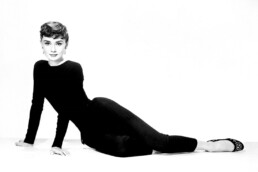
Lessons from Audrey Hepburn
Last year I finished a biography of Audrey Hepburn and overall it was a delight. I’ve never been a huge fan of hers but I’d stumbled across an old interview on YouTube that ignited my curiosity.
She was near the end of her life and had granted Barbara Walters a rare conversation on camera, and something about her presence and her answers felt familiar. It was like we were the same person in some way or had lived something of the same life. I knew her. Or I knew how she felt. If she hadn’t died in 1993 I might have thought maybe I was her if I’d existed here before.
So I ordered the book.
It turns out she was, in fact, just like me. She was a multifaceted human being with a range of emotions who loved animals, was rather easily bruised, and dreamed of having a garden. And also like me, her life was a constant grasping at happiness amidst a deluge of misfortunes, heartaches and childhood scars. I don’t think she ever quite got there.
I was struck by something she was quoted as saying toward the end of the book. And this was that even at her age (60 years old), she still suffered from an extraordinary case of stage fright anytime she had to perform or make a speech. She also said that she was not alone in this nervousness and that every real artist she’d worked with seemed to have his or her own version of it.
Gary Cooper’s hands used to sweat while he acted. Cary Grant worried himself sick over his performances.
It made me feel like my recurring feelings of doubt about my work, my non-linear overall progress, and my almost constant feelings of inadequacy aren’t so abnormal after all. Maybe nerves are universal. Maybe they’re just part of the deal if you want to strive for big goals in the game of life.
Last week I picked up my latest book manuscript and tried to continue writing. When I couldn’t do that because it seemed like I didn’t have anything else to say, I started editing it instead. Maybe, I thought, I’d simply reached the end.
I was plunking along and then quit in frustration. I wrote a blog post, then I think I cried a little bit, and then I pulled up my pants and started working on it again.
I know that I will fight many negative feelings as I continue on my journey as a writer, and I know that I will probably want to give up on my work again. In fact, I can almost predict that I’ll throw my hands up in disgust and put my latest project away for another few months before gathering enough courage to come back to it. This seems to be my pattern.
But the knowledge that what I’m feeling isn’t unique or odd is nice. The knowledge that others have felt the way I feel and have still gone on to success is enormously helpful.
Thanks, Audrey, for the lesson.
———
To leave a comment or share this post, scroll down.
My first book, Halfway There: Lessons at Midlife, was released on August 18, 2020 by Warren Publishing and was re-released on February 16, 2021 by White Ocean Press. To read an excerpt, check out reviews, see the author Q&A, or find links to buy, click the Learn More button.
The Riot
The Riot
by Elizabeth C. Haynes
Flushing skin. A tinge at the
ears on my
pale, olive complexion.
Radiating invisibly, like the rays of
the sun.
Cells rioting. Releasing. Damaging.
Cloaked in an outer shell.
But you look fine,
They say.
———
To leave a comment or share this post, scroll down.
My first book, Halfway There: Lessons at Midlife, was released on August 18, 2020 by Warren Publishing and was re-released on February 16, 2021 by White Ocean Press. To read an excerpt, check out reviews, see the author Q&A, or find links to buy, click the Learn More button.

Hidden Prejudices
When I was twenty-nine years old, I began a rather harrowing year as a public school teacher (okay, I made it to April and then couldn’t make it anymore). I was hired as a fifth grade bilingual language arts teacher except that I had one bilingual class and one regular class. There weren’t enough bilingual kids left by that age in this particular school.
At that time in my life I had a Hispanic last name to go perfectly with my bilingual teaching persona. My ex-husband was of Mexican origin and I still carried his name after my divorce. So to those kids and those parents in the year 2010, I was Ms. Armenta. Coincidentally, the name also went well with my pale olive skin tone, brown hair and dark eyes.
I sputtered through my days, sometimes sleep walking and sometimes collapsing into a crying heap on the floor as soon as my kids left the room. It was one of the hardest years of my life but one of the most heartfelt ones, too. The notes and gifts I’d get from my kids, especially when I was gone for a day or when a holiday came along like Christmas or Valentine’s Day, are memories I will cherish forever.
But a memory that sticks like a thorn is the time I had to host my first open house for the parents on a balmy Tuesday evening. It was the kind of evening you have in late September where the muted sunlight says fall is coming but the temperatures haven’t kept up because, well, it’s Texas.
For the non-parents and non-teachers in the audience, an open house is where all of the parents arrive at school in the evening to see some group projects their kids have done (I’d chosen a social studies project to display in the hallway) and review their kids’ recent work (I’d left various graded assignments on their desks). The teachers are also available to chat with parents in sort of a mini-conference about how their kids are progressing and whether or not there are any behavioral or academic issues.
I’d hoped to have enough energy to make it through the event after a long day at work, but I’d also worried that my Spanish wouldn’t hold out long enough to communicate effectively (it tends to disappear when I’m stressed or tired).
I remember speaking with a stream of parents that evening, one after another, and leading them to their child’s desk to talk through some of what they saw. I remember struggling to switch between English and Spanish depending on which parents were next in line, and feeling weary because it was 7:30 p.m., I’d been up since 5:30 a.m., and I’d already put in a full day with my kids.
At some point there were more parents than I could handle and my classroom turned into a waiting room rather than an academic display. I was trying my best to give each parent my full attention while being mindful of those who were still waiting, but I suppose you can never please everyone. I had about forty kids in my care every day and each one of them had parents in tow.
Carly was one of my non-bilingual kids, and she started the year so far below grade level that she was already in danger of not moving on to sixth grade. She was also a perpetually absent student who seemed to formulate a new illness anytime she didn’t want to go to school.
Carly’s mother arrived fairly late that evening and I guess didn’t like having to wait a bit while I was speaking to some of the Hispanic parents (in Spanish) who had arrived on time. I eventually walked over to her with my best smile, but was greeted sourly with, “You’ve been spending all of your time talking to those parents. I think you’re racist against white people.”
I was understandably unprepared for such an assault. But, being a teacher and therefore exceptionally capable of remaining composed in the most trying of circumstances, I quickly formulated a reply in my head that I knew would shut her up quickly.
“Well, my maiden name is actually Schaeffer. I’m part German.”
She looked at me wide-eyed for a moment, blinked a few times, opened her mouth a bit, and then began to backpedal.
Too late, lady. Too late.
What could I do – myself the product of an interracial marriage – but cross my arms in annoyance when I was accused of being racist toward my own kind? The rest of the night is a blur and so is my conversation with that bitter woman, but the memory of the accusation remains vivid to this day.
I write this story because it’s come up again in my life recently. I’m thirty-eight years old and almost a decade has passed since that open house, but I’ve been accused – again – of being a racist. Except this time I’m apparently racist against Black people.
Never mind that my husband is Black.
Sure, that accusation makes sense this time too, right?
The racism card is an especially touchy one these days. But even with my own mild experiences with racism as a mixed-race college kid in the Midwest, I still can’t pretend to understand what my husband might experience. Or what an immigrant might experience. Or what people living 50 or 100 years ago experienced.
And I humble myself to this and know that I can only have empathy and will never gain full insight.
But I can sure as hell get angry when someone accuses me of something I’m so vehemently against – that being racism or intolerance of any kind.
So as I sit here tonight and write this blog, chewing on the accusations, I find myself focusing on the fact that accusations are thrown by people who are probably projecting. People who perhaps have their own biases, or their own anger, or their own frustrations.
And if you look at the way humans behave, there’s a broken record pattern that always plays out like this: Most people who are unkind act that way because they’re unhappy, and many people who are intolerant are actually afraid of something else.
So how about we all start being a bit more aware and a bit more in touch with our own prejudices? How about we stop accusing people of things that are hurtful and instead start taking the time to learn more about that person across the room, or across the way, or next to us on the train – before we make a decision in our heads?
Maybe you’ve labeled someone based on a certain interpretation that’s built on your own information. Maybe. It happens to the best of us at one time or another and I catch myself (and course correct) on a regular basis.
The world needs more kindness, especially right now. I sure wish humans could do better.
———
To leave a comment or share this post, scroll down.
My first book, Halfway There: Lessons at Midlife, was released on August 18, 2020 by Warren Publishing and was re-released on February 16, 2021 by White Ocean Press. To read an excerpt, check out reviews, see the author Q&A, or find links to buy, click the Learn More button.
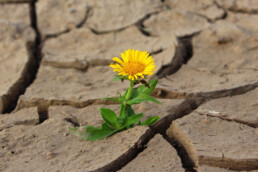
A Broken Shell
Today’s post may not be exactly like one of my normal blogs, but it’s something I want to talk about today in a very open way and by telling some stories. These are snapshots from my memory. While I do have a plethora of memories I could write about, these are the ones that are coming to mind tonight. And I want to get something posted before bedtime so I can feel like I’ve not lost myself again.
Bear Mountain
A couple of years ago I went to visit a good friend of mine up in New Jersey. She’s someone who is near and dear to my heart, and who I met in yoga teacher training about six years ago, so I look forward to our trips every time we get to go. On this particular visit, she and her husband took us on a day trip to Bear Mountain in New York State. And it was everything I’d imagined the northeast would be.
It was trees and mountains. It was a lake full of splashing kids near the shore and adults in life jackets paddling in small kayaks. It was a gift shop with rustic-themed souvenirs and an outdoor bathroom that reminded me of a forest cabin. It was a hiking trail with rocks and lush greenery all the way up.
It was also my first trip since I’d become really sick and I just didn’t have the stamina to fully participate. I remember breathing heavily and struggling to get up that hiking path as my friend and her husband sprinted ahead, and as my husband came along slowly behind me. I remember sitting down with my friend at an overlook about 15 minutes up, knowing she wanted to go further on with the guys but feeling grateful she sat and talked with me instead.
I also remember feeling utterly defeated by my body as we sat and watched a train snake picturesquely around a hill and along a river. And then I remember the excruciating pain in my knee on the way down, and the hope that it was mostly hidden from the others.
House of Blues
My husband went to a concert last year with some friends at a place here in Dallas called House of Blues. It was an old school hip-hop concert by some random artist from the early nineties, and it was one I would have loved to see.
I wanted to get dressed up and maybe dust off my heels. I wanted to fix my hair and put on some dark berry lipstick, which I rarely get to do anymore. I wanted to go out there and recapture my adolescence with likeminded middle-agers, and remember how I used to feel before I felt the way I do now.
But by 7 p.m. I was already so fatigued and reactive that I knew I wouldn’t be able to make it through the concert. I’d have trouble standing and I’d be too tired to dance, and beyond that I’d likely make my husband leave early. And I just didn’t want to be that person.
So instead of putting on my heels and my dark berry lipstick for a fun night out, I wished my husband a good time and watched him head out the door looking sharp. I answered a message a bit later from one of our friends asking why I wasn’t coming (“I’m tired and didn’t think I’d make it too late. No worries! I hope you have a great time!”), and then I took a shower and got into bed.
I was sad but resigned. What else could I have done in that moment? I didn’t want to ruin it for the others.
Atlanta
A few weeks ago I took a trip to Atlanta to meet my new coworkers and to see my boss (and her boss) in person. I’d known it would be hard on me and I’d tried to mentally and physically prepare, but there’s no getting around your health when it simply is unable to cooperate.
I’d started my trip in a deficit because things had been unusually busy at work and I’d just finished an extremely stressful project. I was leaving on a Tuesday and I’d tried to rest the weekend before, but it just wasn’t enough recuperation time (nothing ever is, it seems) and by the time I got off the plane I was already on the downhill slope.
What happened, first, was that I didn’t sleep the entire trip. I was reacting to the flight, to the hotel room, to the food, to the stress of meeting people. To offices and to elevators and to weather and to food that my body doesn’t normally ingest.
One morning I found myself in the office restroom praying my stomach would pull itself together before a meeting. Another afternoon I got dizzy while a colleague was explaining something to me on my computer, and I asked her to pause for a moment so I could try to get myself together. I finally told her to continue and I faked being fine, because I didn’t want anyone to think I couldn’t do the job.
The second night of this trip I called my husband after an exceptionally long day, and after a happy hour where I couldn’t drink, and after meeting up with my sister-in-law, and after working on an important project that had to be done by morning. And I just laid there in my rickety hotel bed, crying at 11:30 p.m., hurting down to my bones.
“I can’t make it like everyone else,” I’d said. “I’m so tired. Everything hurts so badly and I can’t sleep. I don’t know how to make it through the rest of the trip.”
A Random Thursday
Tonight (it’s Thursday) I found myself falling to the kitchen floor before making it to the sink to wash my plate. I’d been nauseous for a couple of hours, I’d been burning up and sweating, and then I’d been plagued by chills. Earlier in the day I’d been fatigued, I’d had brain fog, I’d had skin pain on my leg and a slight rash on my arm. And then I’d reverted to feeling okay for a bit (this happens often).
Around 5:30 p.m. I’d tried to eat some okra and experienced GI upset, so I tried to eat again around 6:30 p.m. (eggs this time) to allow me to take some enzymes and bile salts. And after reading something upsetting online immediately after that, my body said that was it – no more.
My husband asked me if I needed some water and I said yes, but to also bring me some Benadryl. I took my little pink pill and then I sat there and cried until my body was calm enough to get up and walk out of the room.
“How do I keep going every single day?” I’d said to my husband. “Being sick is a full-time job, and I’m trying to work a full-time job on top of that. I just don’t know how to manage.”
Full Circle
So here I am now, writing this post before I take more medication and attempt an evening walk with my husband and head off to bed. Because as a writer I use my words to process things and to try to make sense of life. I use them to get my feelings out and to share my experiences. I use them to forge invisible connections and to make me feel like I’m contributing something to the world.
One of the things I’d said to my husband while sitting on the floor tonight was, “I can take more medicine but I can’t think when I do. And then what am I, if I can’t think? A writer has to be able to think.”
Who am I if I can’t write anymore?
I know that sounds really narrow, but writing is the thing that I feel I’m meant to do. It’s the talent I feel I have to contribute. Sometimes, though, it’s so hard to write when I’m spending so much time trying to survive. It’s why I haven’t put any new blog posts out in several weeks, and why I’m running behind on getting my book promotion together.
So I guess that’s what I wanted to write about today. I know so many people who are silently suffering from chronic illness, from cancer, from depression, from pain. And while we talk about how hard it is to make it through every day amongst ourselves and with our spouses, we don’t often share that piece with the world.
So I’m here to tell you that if you see someone with a medical condition or some other challenge, and you see them trying to hold down a job or raise a family or volunteer or just get up in the morning, you should know that it’s an enormous feat for that person to keep going. Not just physically, but mentally.
Because it’s the worst feeling in the world to be a prisoner in your own body. To want to do something but to be limited by your exterior. To need to work in order to secure your future and get the healthcare you need, but to not know how to keep going because your body can’t keep up.
Will I make it 10 years? Fifteen? Five? Even less? I don’t know. But I know I’m still here because there’s something I’m supposed to be doing. There’s a talent I have and there are all of these experiences I’ve overcome that I want to share.
So I’ll finish with this: I was listening to a podcast this morning of an interview with Ina Garten. Apparently she just lived her best life day-to-day, not thinking too much or planning for the future, but rather focusing on being her best at whatever she was involved in. And in doing so, she sort of rode along and landed where she was supposed to be.
This resonated strongly with me because I don’t really have control of what’s going on in my life right now, so I do try to live day-to-day as much as I can. But also, I can still try to write as best I can every day that I can. And I can still search for the energy to put my book out into the world, because the stars have aligned for me to do so. And I can still do my very best in my job every day, even if it’s not as good as I wish it was.
Any of us who are sick can just do the best we can, every day, and maybe that’s enough for now. Maybe we’ll ride along and just land wherever it is we’re supposed to be.
Thank you for reading.
———
To leave a comment or share this post, scroll down.
My first book, Halfway There: Lessons at Midlife, was released on August 18, 2020 by Warren Publishing and was re-released on February 16, 2021 by White Ocean Press. To read an excerpt, check out reviews, see the author Q&A, or find links to buy, click the Learn More button.

I'm Too Old for That
Recently I stopped into Dillard’s with my husband while we were taking a lap around the mall after dinner. I’d wanted to look at some pajamas, which I was in dire need of replacing after more than a year and a half of perpetual unemployment. But I didn’t end up looking at the pajamas.
I ended up looking at the undergarments.
I’m a rather small, interestingly shaped individual and this usually means a nightmare in almost any clothing store. Even though I’m 5’3” (considered petite), I’m extremely short-waisted. So my legs are as long as a regular-sized woman while my torso is even less than petite. Nothing ever fits. Clothes aren’t made for me.
Underwear isn’t made for me either.
Now this post isn’t really about underwear, even though it’s kind of about underwear. Hang with me (especially if you’re a guy) and I’ll get to my point.
“Excuse me,” I asked a young girl working in the department. She was probably in her early twenties and seemed quite normal in the sense that she wasn’t dressed too conservatively or too ostentatiously. She had just the right amount of makeup on and looked beautifully herself.
“Do you sell any bikinis?” I asked, as that’s the only cut I can wear without the waistband coming halfway up my torso. “All I’m seeing are briefs.”
“Oh yes, we do,” she said, motioning for me to follow. “But we don’t sell a lot of them. We only have about three styles.”
She showed me the first style, which was stretchy and plain Jane. Not bad, I thought to myself. Then we moved to the next table.
“Now these are really great,” she said. “I own lots of these and I like the lace. It’s a nice touch.”
“Oh I don’t need lace,” I said almost before she’d finished her sentence. “I just need something comfortable at this point. I’m too old for lace.”
“What? You don’t look old to me,” she said.
“I’m thirty-eight,” I replied, never ashamed to tell my age.
“Thirty-eight! Wow. I hope I age as well as you have.” She smiled at me and folded some items on the table.
I smiled back and thanked her, as I could tell that it wasn’t just flattery. But something shifted in that moment and I began an internal dialogue with myself as I quietly picked up a pair.
I’m too old? Did I really say that?
I can’t wear lace anymore?
Why not? Really?
She doesn’t think I’m too old. Why do I think I’m too old?
My outsides haven’t matched my insides for the past four years due to medical issues. It was like I’d accelerated thirty years into the future even though my exterior wasn’t showing the wear. But in that moment, for the first time since age thirty-four, I realized that I sure was my age. My treatments had been giving me a better quality of life this year but I hadn’t found my way back, mentally, to actual age thirty-eight just yet.
Stuck is what I would call it.
“Maybe I’ll try a pair,” I told her, eyeing a purple one. “But, umm, one size fits all? Really? Is this a thing now?”
“Yeah,” she laughed. “I know it sounds really crazy but they really do fit everybody. You can go try them on over your existing panties and see what you think.”
“Okay. I’ll give them a try.”
Turns out they fit pretty nicely. In fact, those lace panties came home with me along with a sunshiney pair of yellow and white pajamas that I’d grabbed on the way to the fitting room. I left the plain Jane stuff behind.
I share this story to tell you that mindset means a lot, and also that you can change it in an instant if you want to. For me, I’d decided in that moment – in front of the underwear table – that I wasn’t going to condemn myself to an early retirement anymore. What a silly way to approach life, sticking myself into a category synonymous with washed up.
Maybe it’s not lace panties that seem out of reach for you at your “age.” Maybe it’s something else like a hairdo or a hobby or a job. Maybe it’s a type of music or staying out late, or having people over for an old-school style pool party with a cooler full of beer and rap music blaring from the speakers.
But perhaps you’re not actually as old or as boring as you’ve allowed yourself to slide into over the years. Perhaps the only person holding you back is you.
So how about you decide what age you are going to be and feel? How about you decide to no longer condemn yourself to a rocking chair because you think you’ve missed your prime? Why, because you’re a parent now? Because you’re tired after a day at work? Because you can’t binge on wine without destroying your body for a few days instead of a few hours?
You’re evolving. You’re gaining wisdom. Your body is aging but you’re not old. You’re the same you, really, that you’ve always been. Just a bit better.
I think it’s your internal dialogue that controls your reality sometimes. I’d hung onto a medically-induced “oldness” long after it had lifted from my life, because it had become familiar. Because I didn’t look particularly “young” anymore (i.e. twenty-five) when I looked in the mirror. Because I couldn’t do the physical things I used to do. Because my energy levels had dropped and I’m tired by 9 o’clock.
So I was automatically “old.”
Have you told yourself you’re automatically “old?” Maybe it’s time to use your own brain to reframe your perspective.
We all have the power to do that, today, if we want to. Our ability to shine is only limited by our desire to do so. So go out there, polish the old penny of a body that you have, and shine. You’re not too old for that.
———
To leave a comment or share this post, scroll down.
My first book, Halfway There: Lessons at Midlife, was released on August 18, 2020 by Warren Publishing and was re-released on February 16, 2021 by White Ocean Press. To read an excerpt, check out reviews, see the author Q&A, or find links to buy, click the Learn More button.